

Why Neodymium Magnets Are the Go-To Choice for Audio Gear
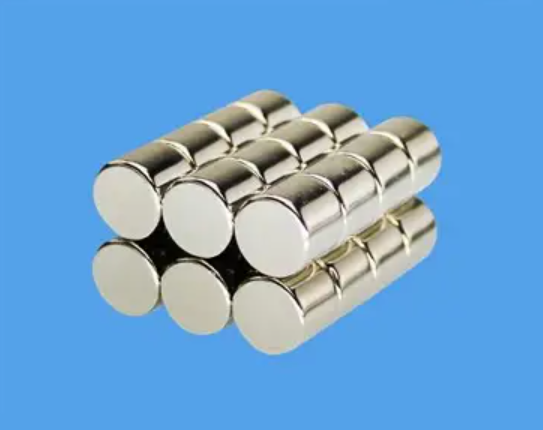
Neodymium magnets (also called NdFeB magnets) are rare-earth permanent magnets made from an alloy of neodymium, iron, and boron. They have outstanding magnetic properties. In the world of audio equipment, neodymium magnets are widely used in speakers, headphones, microphones, and more because of their high energy product, small size, and light weight. For most modern audio products that care about both performance and portability, neodymium is the go-to choice for making things smaller, more sensitive, and better-sounding.

The Key Advantages of Neodymium Magnets for Audio
Highest energy product, smallest size. Among all permanent magnet materials, NdFeB has the highest maximum energy product (BHmax), typically 2500–3500 kJ/m³ (that's 27–50 MGOe). For the same magnetic flux, it takes up only about one-fifth the volume of ferrite and weighs way less. In portable audio gear, this lets designers pack enough magnetic field strength into a tight space—enabling smaller devices.
High flux density, high coercivity. An N52-grade neodymium magnet can have a flux density of 1.44 Tesla and coercivity of 800–3000 kA/m—way higher than ferrite or Alnico. High coercivity means neodymium magnets resist demagnetization well; they don't easily lose strength from outside magnetic fields or physical bumps. And high flux density gives the voice coil a much stronger driving force.
Good mechanical strength, easy to machine. Neodymium magnets are mechanically stronger than samarium cobalt or Alnico. They're easier to cut, drill, and shape into complex forms, which makes precision assembly in speaker drivers simpler. By adding elements like dysprosium, you can push the Curie temperature above 200°C, improving stability at higher temperatures.
The downsides: Neodymium magnets are sensitive to heat and corrosion. Their maximum working temperature is generally between 80°C and 200°C—lower than ferrite or samarium cobalt. They also oxidize easily in humid or salty environments, so they need a protective coating like nickel-copper plating.
Read more: How Strong Are Neodymium Magnets?
When purchasing neodymium magnets, Stanford Magnets can customize neodymium magnets (N52 magnets) according to your company's requirements.
How Neodymium Magnets Change the Sound
Higher sensitivity. A stronger magnetic field makes the voice coil vibrate more efficiently, producing higher sound pressure levels (SPL) for the same input power. Some speakers using neodymium magnets hit sensitivity numbers like 100.7 dB—significantly higher than traditional ferrite speakers. That means you get louder volume with less power, which is great for portable devices and car audio.
Faster driver response. The higher the flux density, the quicker the voice coil responds. It jumps into action when the signal hits and stops immediately when the signal ends—no lingering. This is especially noticeable in dynamic passages like drum hits or orchestral crescendos.
Lower distortion. A uniform high magnetic field helps reduce nonlinear distortion, so the sound reproduction is more accurate. This really stands out with dynamic music. Also, neodymium's high coercivity gives it better resistance to electromagnetic interference, lowering background noise and making microphone pickup cleaner.
Wider frequency range. High flux density also lets a speaker cover a broader frequency range, delivering better bass extension and higher treble in a compact size. That's a big reason why HiFi headphones almost always use neodymium.
Neodymium vs. Other Common Magnet Types
There are four main types of permanent magnets used in audio gear: neodymium (NdFeB), ferrite, samarium cobalt (SmCo), and Alnico. Here's how they compare.
|
Property |
NdFeB |
SmCo |
||
|
Max. energy product (BHmax) |
2500–3500 kJ/m³ |
3.5–5.5 kJ/m³ |
18–30 kJ/m³ |
2–4 kJ/m³ |
|
Remanence (Br) |
1.0–1.4 T |
0.2–0.4 T |
0.8–1.3 T |
0.7–1.3 T |
|
Coercivity (Hc) |
800–3000 kA/m |
70–140 kA/m |
700–1400 kA/m |
30–60 kA/m |
|
Max. working temp |
80–200°C |
250–300°C |
250–350°C |
~450°C |
|
Density |
7.5–8.5 g/cm³ |
4.8–5.2 g/cm³ |
8.0–8.5 g/cm³ |
7.0–8.5 g/cm³ |
|
Temp stability |
Low |
High |
High |
Extremely high |
|
Corrosion resistance |
Poor |
Good |
Excellent |
Excellent |
|
Cost |
High |
Low |
High |
Medium-high |
|
Main audio uses |
High-end headphones, HiFi speakers, portable gear |
Entry-level speakers, large-format speakers |
Pro monitor headphones, extreme environments |
Vintage speakers, instrument pickups |
Ferrite is the most widely used magnet in speakers today. It's cheap, corrosion-resistant, and handles heat well. But it's weak (about 800–1000 gauss). For the same magnetic flux, ferrite magnets are huge. They deliver less power and a narrower frequency range.
Samarium cobalt has excellent heat resistance and long-term stability—it doesn't easily demagnetize. That makes it great for pro applications where consistent sound is critical. The downside? It's expensive, so you don't see it in consumer headphones much.
Alnico was the original speaker magnet. Its Curie temperature is super high—around 450°C. But it has low power, a narrow frequency range, and a sound that some describe as hard and brittle. Plus, cobalt is a scarce resource, so Alnico is pricey. Given the value for money, it's not used much anymore.
Conclusion
So why are neodymium magnets the top choice for audio equipment? The core reasons are their incredibly high energy product and high coercivity. They deliver a strong, stable magnetic field in a tiny package. That translates into three key performance benefits: high sensitivity, low distortion, and fast transient response. Yes, neodymium has limitations with heat and corrosion, and it costs more than ferrite. But for modern audio devices that care about sound quality and portability, its overall performance advantage is hard to beat. That's why high-end headphones, HiFi speakers, and even TWS Bluetooth earbuds almost always use neodymium magnets. Ferrite, samarium cobalt, and Alnico still have their roles—in cost-sensitive designs, extreme environments, or applications chasing a specific vintage tone—but neodymium leads the pack.
References:
Types and Examples of Magnetism