

Frequently Asked Questions about Hard Drive Magnets
Hard drives (HDDs) are the backbone of traditional data storage, and at the heart of every HDD lies a small but incredibly powerful component: the magnet. These magnets are not just ordinary fridge magnets; they are precision-engineered rare-earth magnets that play a critical role in data storage performance. Understanding these magnets can help engineers, hobbyists, and electronics enthusiasts appreciate their function, capabilities, and safety considerations.
1. What is a hard drive magnet?
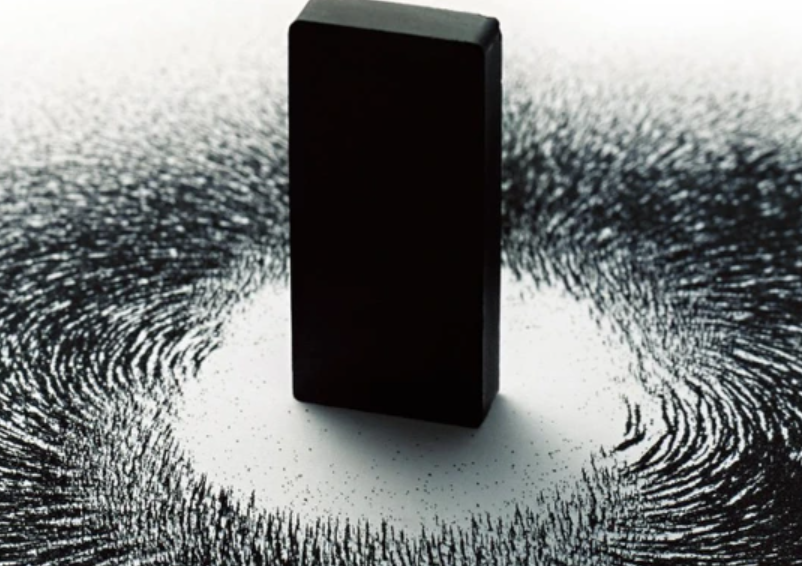
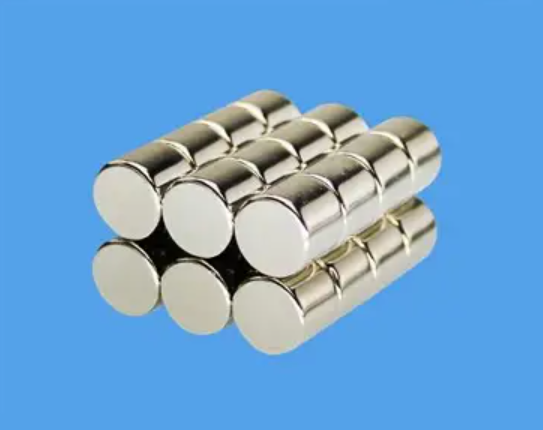
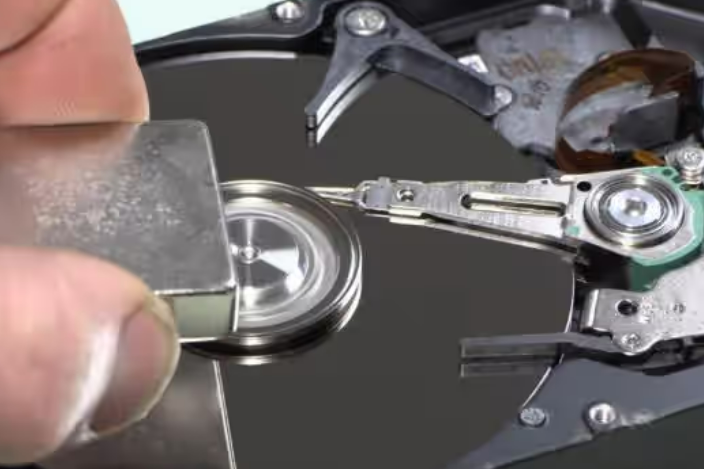
A hard drive magnet is usually a rare-earth magnet, a neodymium-iron-boron (NdFeB) magnetic material known for its exceptionally strong magnetic field relative to its size. In an HDD, the magnet is normally a part of the VCM, which moves the read/write heads along the spinned disks. The magnet interacts with the coils in the actuator arm, which will ensure precise positioning of the heads at nanometer-scale accuracy.
While standard magnets are unlike the HDD variety, which is smaller yet more powerful, the magnetic field is strong enough to affect other metallic objects in its near vicinity if proper precautions are not taken.
2. Why are hard drive magnets so strong?
The strength of the magnets inside the disc drive must be great enough to enable quick and precise movement of the read/write heads. These are known as neodymium-iron-boron magnets, which are the strongest type of magnets available, enabling hard drive discs to remain relatively compact.
This strength also contributes to the long-term reliability of the components, since a stronger magnetic field guarantees a correct response from the actuator, eliminating chances of "head crashes.
Related reading: The Evolution of Hard Drive Magnetic Technology
3. What are hard drive magnets made of?
While modern magnetic materials used to make the hard drive magnets are usually made of NdFeB material, which is classified under rare earth magnetic materials and is known for having high remanence and coercivity, some older magnetic hard drives are made using SmCo magnetic materials which, though of a slightly lower remanence, have excellent high-temperature stability.
These magnets are normally coated to protect them from corrosion and mechanical damage. They are usually coated by covering them with a layer of nickel, copper, or epoxy. NdFeB-type magnets require special handling because they are brittle.
4. How do hard drive magnets work?
The primary function of the hard drive magnet, therefore, is the control of the position of the read/write heads. This is done through a voice coil actuator, a mechanism similar to the ones used in loudspeakers. This means that the moment a current passes through the coil attached to the arm of the actuator, the arm rotates precisely on the disk platters.
This movement has to be very precise, often within a few nanometers, to ensure that data is readable and writable from tracks as narrow as tens of nanometers. Without the presence of a magnet, the actuator would not have the requisite power to do this.
5. Can hard drive magnets erase data?
Generally, placing a magnet from a hard drive on an HDD does not erase its information because a hard drive magnet is protected. Data is stored magnetically on a hard drive, but the density is resistant to external magnetic forces. Equipment capable of producing strong magnetic fields or a number of software applications is necessary to erase a hard drive.
However, extreme caution is required because these neodymium magnets are so powerful that they could possibly damage other electronic devices. They could also physically harm the drive if mishandled, especially if the snap action of the magnet causes it to attach itself to the actuator assembly.
6. Can hard drive magnets be reused?
Yes, hard drive magnets are often recycled and repurposed due to their strength and rarity. Hobbyists and engineers use these magnets in various DIY projects, including:
- Electric motors and generators
- Magnetic clamps and mounts
- Science experiments demonstrating magnetic levitation
- Robotics applications requiring compact, strong magnetic actuators
Because they are rare-earth magnets, they retain their magnetic strength for decades if kept in proper conditions and not subjected to excessive heat or mechanical stress.
7. Are hard drive magnets dangerous?
While hard drive magnets are small, they are extremely strong. Mishandling can lead to:
- Pinched fingers or crushed skin when two magnets snap together
- Chipping or fracturing of the brittle magnet material
- Damage to electronics, credit cards, or storage devices
- Inhalation or ingestion hazards if broken pieces are mishandled
Proper handling includes wearing gloves, keeping magnets away from sensitive electronics, and storing them in padded, non-metallic containers.
8. Why are rare-earth magnets used instead of regular magnets?
Rare-earth magnets, particularly neodymium magnets, are chosen for hard drives because:
- They offer very high levels of magnetic strength in a small size.
- They sustain magnetization for decades, thus ensuring the reliable operation of the drive
- These devices function well under low-temperature conditions. This is significant with regard to data centers.
The application of regular ferrite or ceramic magnets would necessitate considerably larger sizes for the application of the same amount of force, thus creating bulkier devices that are also inefficient.
9. How are hard drive magnets disposed of or recycled?
Though magnets from a hard drive are recyclable, handling them requires great caution:
- Mechanical disassembly: The magnet should be carefully removed from the actuator arm
- Corrosion protection: Keep the magnet dry and prevent it from touching metal objects that might attract to it.
- Recycling channels: Rare earth materials are precious and can also be recycled in recycling plants from which neodymium and other metals can be extracted.
Recycling the magnets can help reduce the need for the mined materials, which are costly and present an environmental problem to obtain.
10. Fun Uses of Hard Drive Magnets
Beyond their technical function, hard drive magnets have captured the interest of DIY enthusiasts and educators:
- Magnetic levitation experiments
- Building small electric motors
- Science classroom demonstrations of magnetic fields and attraction
- Creative storage solutions, such as magnetic tool holders
They are prized for being small, strong, and reusable, making them ideal for hands-on engineering and physics applications.
Conclusion
Hard drive magnets are small but essential components that enable modern data storage by precisely controlling the movement of read/write heads. Made from rare-earth materials like neodymium, they combine high magnetic strength, durability, and stability, making them unique among magnets found in everyday life. While they offer opportunities for recycling and DIY projects, their strength also requires careful handling to avoid injury or damage.