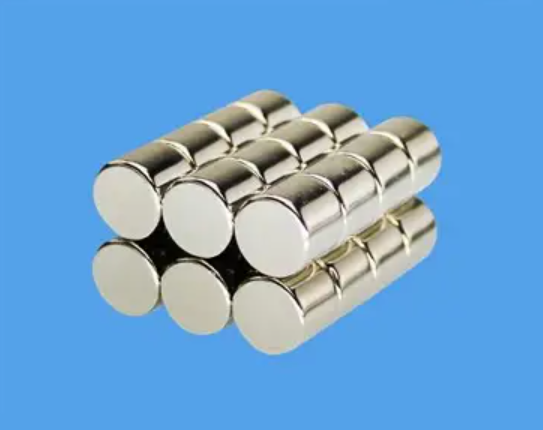


4 Key Requirements for Magnet Fishing Magnets
Magnet fishing magnets aren't like regular magnets. They need to work underwater, have enough pull strength to haul up heavy objects, and resist corrosion in wet environments.
The core requirements are:
- Strong magnetic material
- Enough pulling power
- Waterproof and rustproof
- Tough, durable construction
1. Material Must Be Neodymium
Magnet fishing is all about "pull strength." And pull strength starts with what the magnet is made of. There are all kinds of magnets out there, but only one type can get the job done for magnet fishing: neodymium (NdFeB) magnets. They're the strongest permanent magnets known to man, and they're the only real choice for magnet fishing.
Ferrite or other regular permanent magnets might look cheap, but they're weak. Forget hauling up heavy stuff—they can barely grab a small piece of iron. Plus, they lose their magnetism easily. After a few dunks in the water, they're pretty much useless. Neodymium magnets, on the other hand, are more than 10 times stronger than ferrite. They can easily grab heavy metal objects, and they hold their strength well under normal use.
Neodymium magnets come in different grades, from N35 up to N52. The higher the number, the stronger the pull for the same size. For most magnet fishing hobbyists, N42 is plenty good—it gives you a solid balance of strength and value. If you're regularly fishing in deep water or going after heavier targets, go with N52. It's stronger and gives you more margin for error.
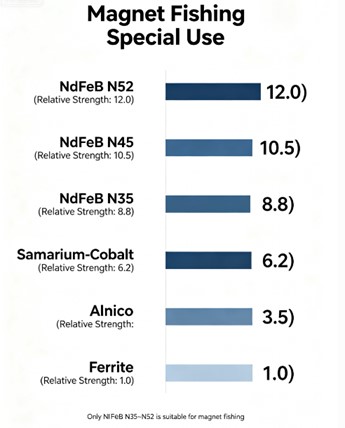
Fig 1. Comparison of Magnetism Across Different Materials
→ Neodymium Magnet Grades Compared: N35 to N54 – What's the Difference?
This article compares the magnetic performance of N35, N38, N40, N42, N45, N48, N50, N52, and N54 as a reference.
2. Pull Strength Takes a Hit Underwater
Pull strength is the most important technical spec for a magnet fishing magnet. It's usually rated in kilograms (kg) or pounds (lbs)—1 kg is about 2.2 lbs.
Here's the thing: the rated pull strength is the maximum the magnet can achieve under perfect conditions. But magnet fishing happens underwater. Water current resistance, muddy bottoms, and the irregular shape of metal objects all cut into that real-world pulling power. Typically, underwater pull strength is only 30% to 50% of the rated value.
So when you're shopping, choose a magnet with a slightly higher rated pull strength than you think you'll actually need. Otherwise, you risk coming up empty because the magnet just couldn't hold on.
3. Shape and Build Need to Match Your Use Case
The shape and construction of a magnet fishing magnet affect not just how well you can retrieve things, but also how durable and safe it is. There are two common types, each suited for different situations.
a. Single-sided pot magnet (counting vessel)
The magnetic field is only on one face—the bottom. The other sides are shielded by a steel shell, so the magnetic field there is weak. These magnets have an eyelet on top or the side for tying a rope. They're straightforward to use, which makes them great for beginners.
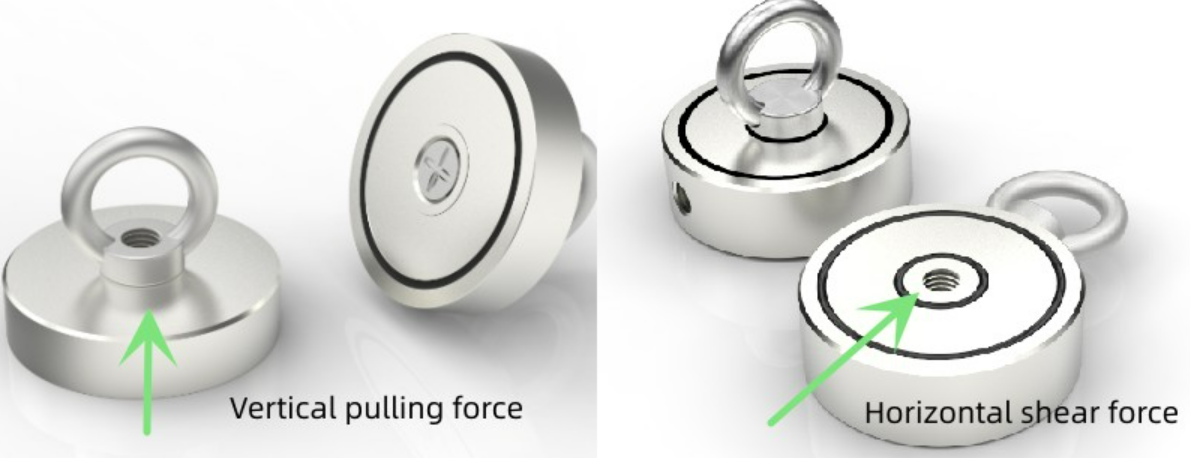
Fig 2. Single-sided pot magnet. The left image shows a top eyelet, and the right image shows a side eyelet.
b. Double-sided / 360° full magnet
Double-sided or 360° magnets have strong magnetic fields on all sides. No matter what angle the magnet hits the bottom, it'll quickly grab onto metal objects.
Also, the eyelet and bolt matter a lot. They should be made of stainless steel or galvanized steel, attached by welding or reinforced threading. Their load capacity needs to be 1.5 to 2 times the magnet's rated pull strength. Otherwise, the eyelet could snap when you're hauling up something heavy, dropping the magnet and creating a safety hazard.
4. Must Be Rustproof
Magnet fishing magnets are submerged for long periods—sometimes in rivers, sometimes in saltwater. Impurities and salt in the water can eat away at the magnet, causing rust, loss of magnetism, and even internal damage. So a reliable coating is essential for durability.
The go-to choice is Ni-Cu-Ni triple-layer plating (nickel-copper-nickel) . It's the most reliable coating for magnet fishing magnets. It's excellent at blocking water and rust, resists bangs and scrapes, and doesn't flake easily—even after long-term underwater use.
Epoxy coating is a lower-cost option, but it doesn't handle impacts well. If you bump it against something, it can crack.
Quick Buying Guide
Just keep these 5 points in mind, and you'll pick the right magnet fishing magnet to get started:
- Material: Stick with N42 or N52 grade neodymium (NdFeB).
- Pull strength: Start with around 500 lbs (227 kg).
- Shape: Single-sided pot magnet with a top eyelet—less likely to snag on the bottom and easy to use.
- Coating: Ni-Cu-Ni triple-layer plating for waterproofing and rust protection.
- Size: About 90 mm in diameter, weighing 2–3 kg—a good balance of pull strength and portability.
Stanford Magnetics offers custom neodymium magnets. We provide custom manufacturing services from prototyping to mass production, helping turn your project into reality.
Send us a drawing or ask a question.