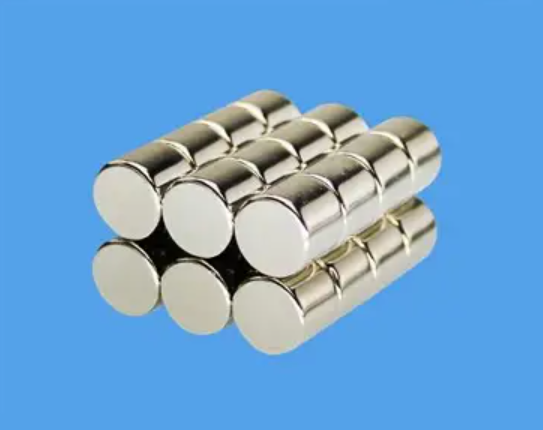


How to Distinguish and Apply Neodymium, Ferrite, and Rubber Magnets
When sourcing magnets—especially for sensors, switches, or sensing devices—many engineers and procurement professionals often find themselves unsure which type to choose. With options like neodymium, ferrite, and rubber magnets, plus grades ranging from N25 to N56, how do you select the right magnet for your specific application? What do performance parameters like coercivity, remanence, and operating temperature actually mean? And what happens if you make the wrong choice—both in terms of product performance and cost? Below, we answer these key questions in a straightforward Q&A format.
What are the main differences between neodymium, ferrite, and rubber magnets?
The core differences come down to material composition, magnetic performance, and cost—each suited to different use cases.
Neodymium magnets (grades N25–N56) are rare-earth permanent magnets that deliver the strongest magnetic performance but come at a higher cost. They're ideal for precision applications that require high magnetic force, such as sensors and motors. Ferrite magnets are low-cost, offer moderate magnetic strength, and have good corrosion resistance—commonly used in speakers and home appliances. Rubber magnets are flexible and can be cut to size, but their magnetic force is relatively weak, making them better suited for non-precision applications like advertising displays and toys.
To determine which type is right, you need to consider the required magnetic strength, operating environment (temperature, humidity), and budget. Using a rubber magnet in a sensor application that demands high magnetic energy could lead to sensing failures, while spec'ing high-performance neodymium for a low-cost application will unnecessarily drive up material costs.
What do material grades like N25 and N56 represent, and how do you choose the right one?
Grades typically indicate the magnetic performance level—the higher the number, the higher the magnetic energy product and related performance metrics. For neodymium magnets, for example, the N25 through N56 series show a progressive increase in maximum energy product (BHmax), ranging from approximately 380 to 422 kJ/m³. When selecting a grade, always refer to the product specifications. For applications with elevated operating temperatures—such as certain motors—you may need to look beyond the standard N-series numbers and choose high-temperature grades like H, SH, or UH, which are designed to withstand heat.
Using a low-temperature-grade magnet in a high-heat environment can cause a sharp drop in magnetic performance or even complete failure, directly impacting equipment lifespan and reliability.
What do the parameters "coercivity" and "remanence" actually mean in practice?
Coercivity measures a magnet's resistance to demagnetization, while remanence measures the magnetic field strength it retains after magnetization. Together, they determine a magnet's stability and magnetic output.
High coercivity (e.g., the 955 value mentioned in some product specs) means the magnet is less likely to demagnetize when exposed to external interference—such as opposing magnetic fields or elevated temperatures—resulting in better stability. High remanence (e.g., 1.4–1.50 T) means it delivers stronger initial magnetic force. In switch or sensor applications, high remanence ensures a strong trigger signal, while high coercivity ensures stable performance in complex electromagnetic environments.
Overlooking coercivity and using a low-coercivity magnet in an environment with electromagnetic interference can lead to device malfunctions or false triggers.
How should the operating temperature range (e.g., 80–200°C) be understood and applied?
The operating temperature range defines the temperature window within which a magnet can maintain its rated magnetic performance without significant demagnetization.
Different materials have different thermal tolerances. Neodymium magnets, for instance, can be selected by grade to match temperature requirements (standard N grades vs. high-temperature H/SH/UH grades). When selecting a magnet, you must ensure that the upper limit of its operating temperature exceeds the maximum temperature it will encounter in the application. For example, automotive motor interiors can get quite hot, making high-temperature grades a necessity.
Using a magnet beyond its maximum operating temperature will cause it to demagnetize, leading to degraded device performance or complete failure—and potentially resulting in costly repairs or even product recalls.
Does magnet shape affect performance?
Shape primarily influences the magnetic field distribution and how the magnet is mounted—it has no direct effect on the intrinsic magnetic properties of the material itself, such as remanence or coercivity.
Different shapes serve different assembly and field-requirements. Arc-shaped magnets are commonly used in motor rotors and stators; ring magnets produce a uniform magnetic field; and custom shapes accommodate unique spatial constraints or functional designs. When selecting a shape, the priority should be on mechanical fit and the desired magnetic field pattern.
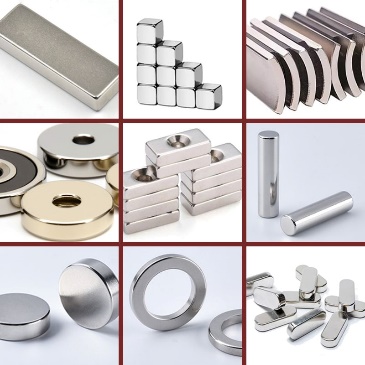
Choosing a shape that's difficult to assemble will increase machining costs and complexity, and may even cause the magnet to loosen or become damaged due to insecure mounting.
Conclusion
Selecting the right magnet is a technical exercise that requires careful consideration of performance parameters, application environment, cost, and supply chain factors. As a long-standing player in the magnetic materials industry, Stanford Magnets' experience shows that there's no such thing as a "one-size-fits-all" magnet—only the right fit for the specific application. A deep understanding of material properties, a clear definition of real-world application requirements, and thorough validation through sample testing are all essential steps to making an informed selection and ensuring project success.