

Neodymium Magnet Loudspeakers: Powering Modern Audio Devices
What Is a Neodymium Magnet Loudspeaker
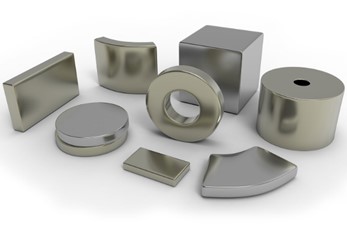
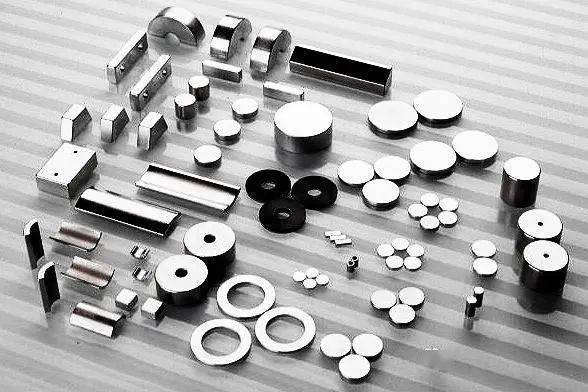
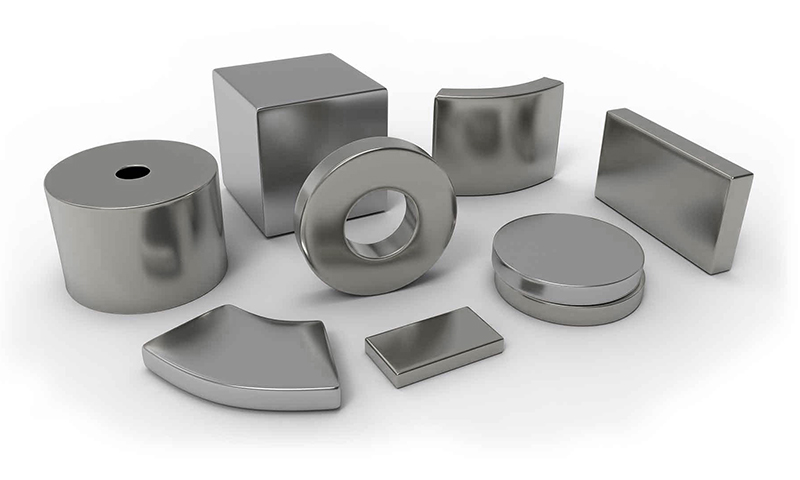
A neodymium magnet loudspeaker is a type of speaker that uses a neodymium-iron-boron (NdFeB) permanent magnet in its motor structure instead of traditional ferrite (ceramic) magnets. Neodymium magnets are among the strongest permanent magnets available, and their introduction has fundamentally changed how loudspeakers are designed—especially in terms of size, weight, and efficiency. Today, neodymium magnet loudspeakers are widely used in professional audio systems, portable electronics, automotive sound systems, and high-performance consumer speakers.
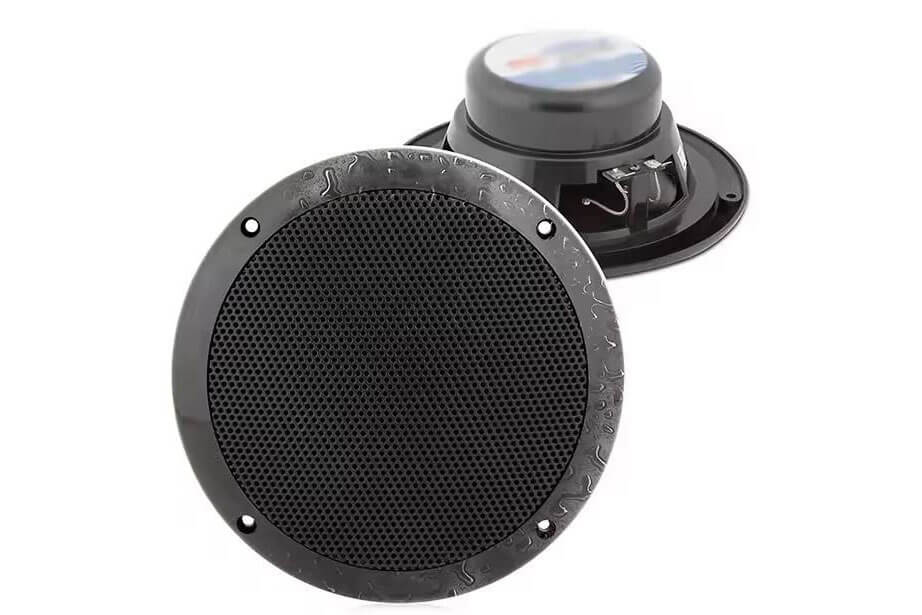
To understand why neodymium magnets matter so much, it helps to first look at how a loudspeaker works in general.
How Does It Work
The working principle of a neodymium speaker magnet is similar to that of other dynamic loudspeakers. An electric current flows through a voice coil attached to the speaker diaphragm. The interaction between the current in the coil and the magnetic field from the NdFeB magnet causes the coil, and therefore the diaphragm, to move back and forth. This movement produces sound waves that we perceive as audio.
What Makes Neodymium Magnets Different
Before the advent of neodymium magnets, ferrite magnets dominated loudspeaker design. However, ferrite is bulky and relatively heavy, limiting portability and design flexibility. Neodymium magnets offered several transformative advantages:
- High magnetic strength: NdFeB magnets are 5–10 times stronger than ferrite magnets of the same volume.
- Reduced weight: Speakers can be 40–60% lighter than ferrite equivalents.
- Compact form factor: Stronger magnets enable smaller speakers for laptops, smartphones, and ultra-compact audio systems.
- Enhanced efficiency: Stronger magnetic fields improve the coupling between voice coil and magnet, producing louder sound with less power.
Case Study: Neodymium Magnets in High-Fidelity Audio Systems
In high-fidelity (hi-fi) audio, magnet performance is critical. The magnet generates the static field that the voice coil interacts with, and the quality of this field directly affects how accurately the diaphragm follows the audio signal. Any inconsistency in the magnetic field can cause distortion, blur transients, and reduce the precision of the sound.
Neodymium-iron-boron magnets allow designers to create strong, uniform magnetic fields in a compact space. This leads to improved motor linearity, meaning the force on the voice coil remains consistent across its full range of motion. For listeners, this translates to cleaner midrange, more precise imaging, and better separation of instruments—all characteristics that define a high-fidelity system.
Another benefit is faster transient response. The strong magnet produces higher force with less mass, allowing the diaphragm to accelerate and stop quickly. This is essential for reproducing complex musical elements like percussion, plucked strings, or subtle vocal nuances. The result is a system that preserves the timing and dynamics of the recording rather than smoothing over detail.
Finally, neodymium magnets enable compact hi-fi designs without sacrificing performance. Smaller, lighter magnets free up space in the enclosure for optimized acoustic components such as larger voice coils, enhanced internal damping, or carefully shaped baffles. Even in smaller bookshelf speakers or studio monitors, designers can achieve reference-quality sound that was once only possible in large floor-standing units.
Thermal behavior is also carefully managed in hi-fi applications. While these magnets are more sensitive to heat than ferrite, high-temperature grades, proper ventilation, and advanced adhesives ensure long-term stability. For critical listening environments where clarity and accuracy matter more than extreme power output, neodymium m
Neodymium vs Ferrite Loudspeakers: Sound Quality, Weight, and Cost
While ferrite remains cost-effective for basic consumer speakers, neodymium magnets dominate applications requiring high performance and compact design.
|
Feature |
Neodymium Magnets |
Ferrite Magnets |
|
Magnetic Strength |
Very high |
Moderate |
|
Weight |
Lightweight |
Heavy |
|
Size |
Compact |
Large |
|
Sound Quality |
High precision, low distortion |
Good, slightly lower efficiency |
|
Thermal Stability |
Moderate; high-temp grades required |
Excellent |
|
Cost |
Higher, rare earth material |
Lower, abundant material |
|
Typical Applications |
Pro audio, hi-fi, portable, automotive |
Fixed installations, budget speakers, industrial |
Applications of Neodymium Speaker Magnets
Neodymium Magnet Loudspeakers in Professional Audio and Touring Systems
Touring speakers, concert PA systems, and studio monitors benefit from neodymium magnets due to their light weight and high output. A large touring speaker array with neodymium drivers can reduce overall system weight by 30–40%, simplifying rigging and transport, while providing consistent high-fidelity sound across venues.
Use of Neodymium Speakers in Automotive and Electric Vehicle Audio
In automotive audio, space and weight are critical. Neodymium magnet drivers allow for slim speaker designs that fit door panels, dashboards, and compact EV cabins without compromising output. Additionally, higher efficiency reduces the demand on vehicle amplifiers, saving energy in electric vehicles.
Related reading: 6 Uses of Permanent Magnets In Everyday Life
Portable Electronics and the Rise of Ultra-Compact Neodymium Speakers
Smartphones, tablets, and wireless earbuds have all benefited from neodymium speaker magnets. Their small size, high strength, and efficiency enable loud, clear audio from devices just a few centimeters in size. This trend has driven a surge in ultra-compact, high-performance audio devices, bringing high-quality sound to portable consumer electronics.
Conclusion
A neodymium magnet loudspeaker uses the exceptional magnetic strength of NdFeB magnets to deliver high efficiency, compact size, and reduced weight without compromising acoustic performance. By enabling stronger magnetic fields in smaller motor structures, neodymium magnets have reshaped loudspeaker design across professional, consumer, and industrial markets.