

How Magnet Assemblies Are Revolutionizing Electric Motor Technology
Electric motors have been a cornerstone of modern industrial and consumer technology for over a century. As demand for energy efficiency and innovation in electric vehicles (EVs), robotics, and automation rises, magnet assemblies have become integral to the next generation of motor technology. We'll explore how magnet assemblies are revolutionizing electric motors and driving advancements across various sectors.
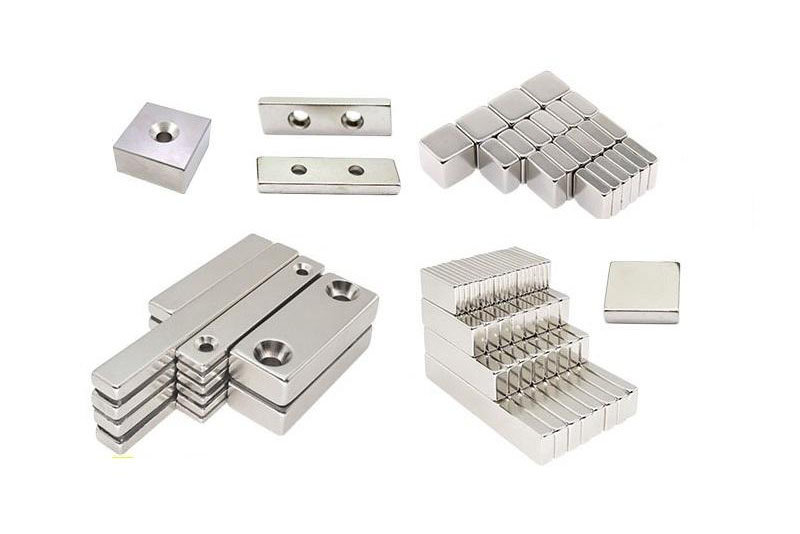
1. Magnet Assemblies in High-Efficiency Electric Motors
- Enhanced Efficiency: Traditional motors rely on copper windings to create magnetic fields, but permanent magnet (PM) motors use magnet assemblies that require less energy to generate the same power output. By integrating rare-earth magnets like neodymium or samarium-cobalt, these motors can operate at a much higher efficiency than conventional designs, resulting in lower energy consumption and reduced heat production.
- Lower Operational Costs: PM motors, powered by magnet assemblies, significantly reduce the need for external power sources, meaning that systems driven by these motors are cheaper to run and maintain over time.
Related reading: Everything You Need to Know About Magnet
2. Magnet Assemblies in Electric Vehicle (EV) Motors
- Compact and Lightweight Designs: In the electric vehicle market, where efficiency and weight are key factors, the use of magnet assemblies in motors has led to the development of more compact and lightweight systems. The ability to create powerful magnetic fields in smaller spaces allows manufacturers to build motors that take up less room, reducing the weight of the vehicle and improving its performance.
- Regenerative Braking Systems: Magnet assemblies play a crucial role in regenerative braking, a system that recovers energy when a vehicle slows down or stops. By using magnets to convert kinetic energy back into electrical energy, EVs become even more energy-efficient, further extending their range and reducing dependency on charging stations.
3. Magnet Assemblies in Robotics and Automation
- Precision and Control: In robotics, magnet assemblies help create actuators and motors that can move with extreme precision. The high torque and low weight characteristics of motors powered by magnet assemblies make them ideal for applications in automation and robotic arms. These systems can perform fine, delicate tasks in fields like manufacturing, surgery, and assembly.
- Reduced Mechanical Wear: As magnet-based systems require fewer moving parts compared to traditional motors, they offer reduced wear and tear. This leads to lower maintenance costs and longer lifespans for industrial robots, reducing downtime and increasing productivity.
4. Magnet Assemblies in HVAC and Home Appliances
- Smarter, More Efficient Appliances: The integration of magnet assemblies into electric motors has led to more efficient and quieter HVAC (heating, ventilation, and air conditioning) systems, washing machines, and air purifiers. These motors use permanent magnets instead of conventional field windings, resulting in less energy loss and smoother operation.
- Variable Speed Control: In home appliances, magnet assemblies allow for better variable speed control. This capability is especially beneficial in applications like ceiling fans, refrigerators, and washing machines, where energy efficiency and precision are key factors.
5. Magnet Assemblies in Aerospace and Defense
- Lightweight and Robust Motors: In aerospace, reducing weight is critical for fuel efficiency and performance. Magnet assemblies in motors provide the power necessary for systems like actuators, avionics, and electric thrust vector controls, all while being lightweight and energy-efficient. This makes them ideal for drones, satellites, and electric aircraft propulsion systems.
- Enhanced Durability: Aerospace motors must withstand harsh environments. Magnet assemblies, especially those using high-performance materials like samarium-cobalt, provide superior resistance to temperature fluctuations and radiation, making them suitable for long-term use in space exploration and military applications.
6. Magnet Assembly Materials and Their Impact
- Rare-Earth Magnets: Neodymium-iron-boron (NdFeB) magnets, one of the most common materials used in high-performance magnet assemblies, have revolutionized motor design by offering exceptional magnetic strength. This allows for smaller, more powerful motors.
- Innovative Magnet Coatings: As demand for longer-lasting and corrosion-resistant motors increases, the use of advanced coatings on magnet assemblies has become a game-changer. These coatings enhance the performance and lifespan of magnet-based motors, particularly in challenging environments such as marine or extreme temperature conditions.
7. The Future of Magnet Assemblies in Motor Technology
- Sustainability and Recycling: As the demand for electric motors powered by magnet assemblies increases, so does the focus on sustainability. Research is ongoing into improving the recyclability of rare-earth magnets, and advances in material science may one day lead to magnets that are both more powerful and more environmentally friendly.
- Quantum Technologies and Superconducting Motors: Looking further into the future, the development of superconducting materials for magnet assemblies holds promise for the creation of ultra-efficient motors with nearly zero energy loss. These technologies could revolutionize industries requiring extremely high power outputs, such as aerospace and heavy manufacturing.
Conclusion
Magnet assemblies are transforming electric motor technology across industries, from electric vehicles to robotics, HVAC systems, and aerospace. By enabling higher efficiency, reducing weight, and offering greater precision, magnet assemblies are laying the groundwork for the next generation of more sustainable, high-performance electric motors. As research into materials and design continues to evolve, magnet assemblies will likely become even more integral to future innovations in motor technology.